
What is Biomass?
Biomass refers to organic material—such as wood, crop residues, agricultural waste, or even algae—that can be used as fuel to produce heat, electricity, or bio-based products.
There are several types of biomass, generally classified based on their origin or use:
Types of Biomass
1. Wood and Agricultural
Wood: Includes logs, chips, sawdust, and bark.
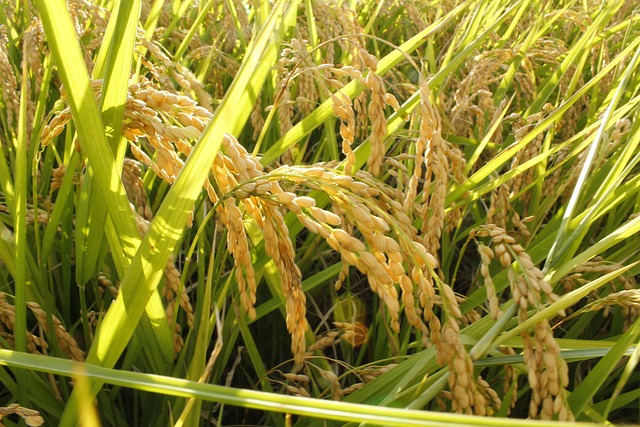
Agricultural residues: Crop waste such as corn stalks, wheat straw, rice husks.
Energy crops: Crops specifically grown for energy, like switch grass, miscanthus, and fast-growing trees (e.g., willow, poplar).
2. Animal and Human Waste
Manure: From livestock like cows, chickens.
Sewage sludge: Organic material left after wastewater treatment.
These are often used to produce biogas through anaerobic digestion.
3. Algae
Certain species of algae are grown specifically to produce biofuels such as biodiesel or bioethanol.
Algae can grow quickly and don’t require arable land, making them a promising future biomass source.
4. Industrial and Urban Waste
Food waste: From households, restaurants, food processing.
Paper and cardboard waste: Biodegradable and energy-rich.
Organic municipal solid waste: The biodegradable part of garbage.
Wood waste from construction or demolition.
5. Processed Biomass Fuels (Biofuels)
Bioethanol: Produced from crops like corn, sugarcane (fermentation of sugars).
Biodiesel: Made from vegetable oils or animal fats.
Biogas: Methane-rich gas produced from anaerobic digestion of organic matter.
Wood pellets: Compressed wood used in heating and power generation.
Industrial Uses of Biomass
Biomass is being increasingly adopted across various sectors:
- Power Generation: Many industries use biomass to generate electricity through direct combustion or gasification.
- Process Heating: Biomass boilers are used for steam and heat in manufacturing processes.
- Biofuels: Liquid biofuels like ethanol and biodiesel derived from biomass are replacing fossil fuels in transportation and machinery.
- Raw Material: Industries like paper, textiles, and bioplastics use biomass as a raw input for production.
Benefits to Industries
- Sustainability: Biomass is renewable and helps reduce reliance on fossil fuels.
- Carbon Neutrality: When sourced responsibly, biomass emits only as much CO₂ as the plants absorbed during their growth cycle.
- Cost Savings: In many regions, biomass is a cost-effective energy alternative, especially where agricultural or forestry waste is abundant.
- Energy Security: Biomass provides a localized and stable energy supply, reducing vulnerability to global energy price fluctuations.
- Waste Reduction: It turns agricultural and industrial waste into energy, reducing landfill dependency and associated emissions.
A Greener Path Forward
As industries seek cleaner, circular, and more efficient production methods, biomass presents an opportunity not just for energy generation, but for sustainable growth.
The future is bio-powered. Are you ready to make the switch?